You did the work. You made the wishlist, set the price-drop alert, maybe even installed Honey or bookmarked a retailer’s watchlist. Then a deal finally hits and you rush to buy, feeling pretty smart. A day later, you find out a Facebook group, Discord server, or local buying club grabbed that same item together, stacked a rebate, used a store promo code, and even earned a bonus for buying in a batch. That stings.
The good news is you do not need to become a full-time coupon hunter to keep up. The trick is to stop treating your alerts like private reminders and start using them as signals you can share with a small group. That is how to use wishlists and price drop alerts to join rebate groups in a way that feels simple, not chaotic. Think of it as turning your solo shopping list into a community watchboard. Once you do that, your alerts stop being just “Hey, this is cheaper now” and start becoming “Is this a deal our rebate pod should jump on together?” That small shift can lead to real savings.
⚡ In a Hurry? Key Takeaways
- Use your wishlist and price alerts as a shared signal, not a solo shopping tool, so you can join rebate groups before you check out.
- Start a simple watchboard in a group chat, spreadsheet, or Discord channel where people post item links, target prices, rebate options, and deadlines.
- Stick to trusted groups, verify rebate terms yourself, and never prepay strangers just because a “group deal” sounds urgent.
Why your current price alerts are only doing half the job
Most shopping tools are built for one person. Amazon wishlists track items you want. Honey watches for price changes. Store apps send sale alerts. Useful, yes. Complete, not really.
They tell you when something gets cheaper. They do not tell you whether a group is also buying it, whether the item qualifies for a rebate club push, or whether a bulk purchase unlocks extra rewards somewhere else.
That gap is where the best savings often hide.
Plenty of deal communities now watch patterns, not just prices. If several members already want the same air fryer, power station, diapers, or solar kit, the group can move fast when a price drops. One person spots the sale. Another finds a cashback portal. Someone else knows a manufacturer rebate. Suddenly the same deal is worth a lot more.
What a “rebate club” really looks like
This does not have to mean a shady online scheme or some giant membership club.
A rebate club can be as simple as:
- A family text thread that tracks household staples
- A neighborhood Facebook group watching appliance deals
- A Discord channel for tech and home gadget bargains
- A parent group buying school supplies together
- A niche hobby community sharing cashback and rebate promos
The common thread is simple. People are not just posting random coupons. They are coordinating interest before purchase so they can act together when the numbers line up.
How to use wishlists and price drop alerts to join rebate groups
Step 1: Sort your list into “solo buy” and “group buy” items
Not every product needs a club. A phone case or a cable, probably not. Bigger-ticket items and repeat-purchase products are where group coordination helps most.
Good group-buy candidates include:
- Small appliances
- Cleaning products and household bundles
- Baby gear and supplies
- Outdoor equipment
- Tools
- Solar panels, batteries, or power stations
- Bin-store or liquidation haul targets
Once you label those items, you know which alerts should be shared right away instead of acted on alone.
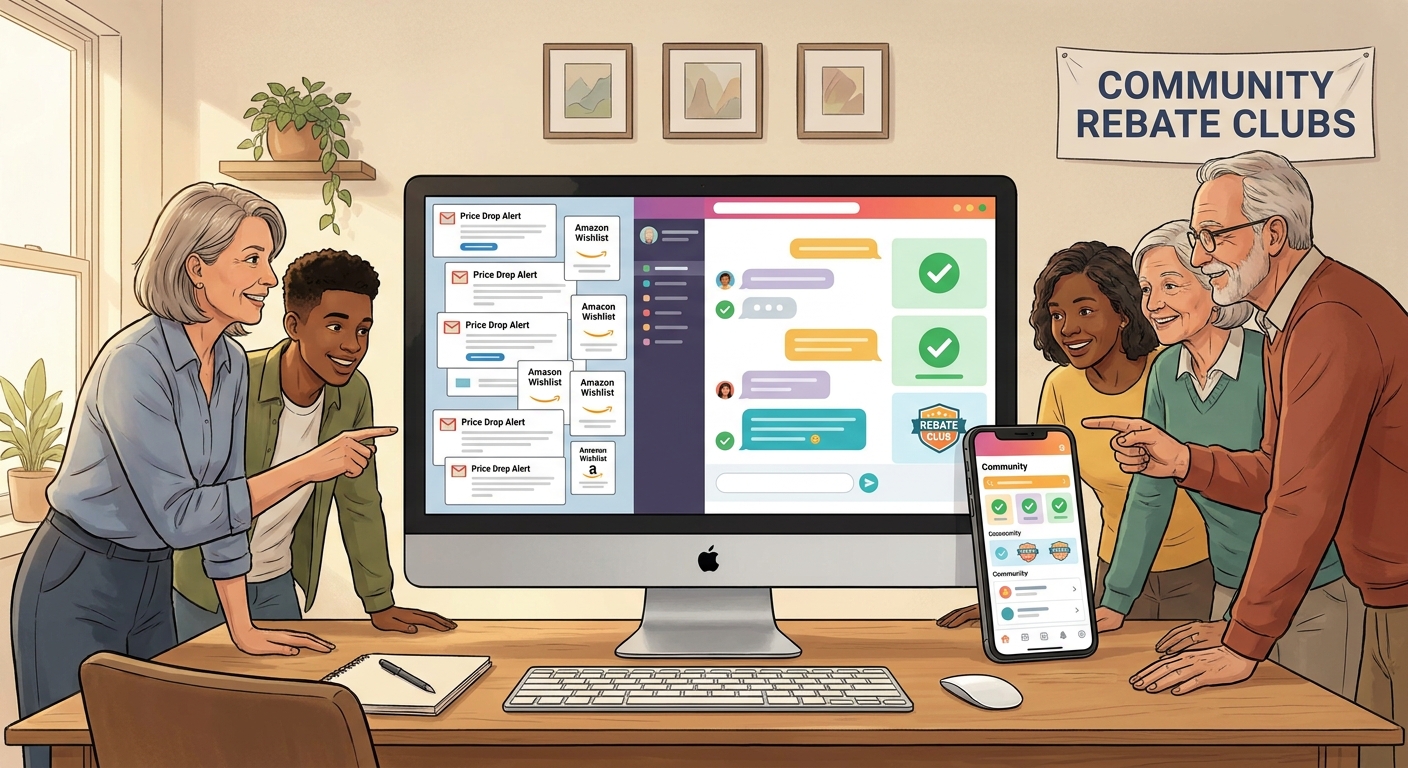
Step 2: Build a shared watchboard
This is the hidden shortcut. Do not just forward random screenshots when prices drop. Make one place where people can quickly judge whether a deal is worth acting on.
Your watchboard can be:
- A shared Google Sheet
- A pinned note in a group chat
- A Discord channel with a simple format
- A Trello board if your group likes cards and lists
Keep the columns or fields basic:
- Item name
- Store link
- Current price
- Normal price
- Target buy price
- Rebate or cashback options
- End date
- How many people are interested
- Who is verifying the deal
That one change turns scattered alerts into something useful and shared.
Step 3: Post the alert before you buy
This part matters more than people think.
When an alert comes in, your first instinct is to check out fast. Sometimes that is smart. But if you always buy first and tell people later, you miss the chance to stack anything extra.
Instead, post the item to the watchboard with a short note:
“Instant Pot down to $69 at Target. Usually $99. 15 percent cashback on one portal. Anyone else tracking this? Rebate deadline tonight.”
Now the group can react. Maybe nobody cares. Fine, buy it yourself. But maybe three people say they were waiting too, and someone spots a same-day manufacturer rebate you missed.
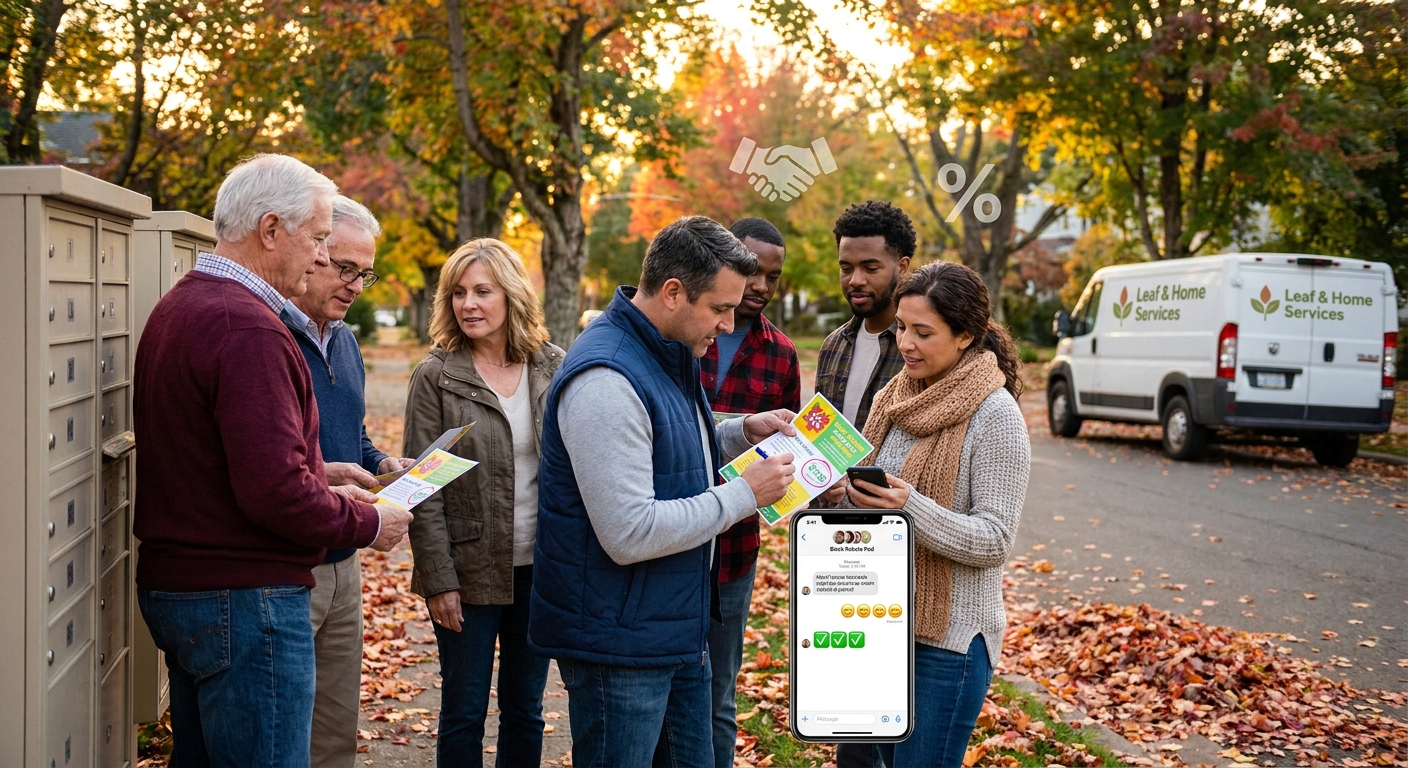
Step 4: Create a tiny “rebate pod” for fast action
Big groups are noisy. Tiny pods get things done.
A rebate pod is just a small set of people inside the larger group who want the same category of deals. Think:
- Home and kitchen pod
- Baby and family pod
- Tech gadget pod
- Solar and backup power pod
When a relevant alert hits, you do not have to shout into a crowd of 500 people. You ping the 5 to 12 people who actually care.
That keeps the process quick and sane.
How buying clubs quietly get better deals than solo shoppers
They combine different kinds of savings
A price drop by itself is just one layer. Clubs often stack:
- Store sale price
- Coupon code
- Cashback portal
- Credit card offer
- Manufacturer rebate
- Loyalty points
- Bulk or threshold bonuses
One person rarely sees all of that in time. A group often does.
They spot patterns early
If a bunch of members have the same item on a wishlist, the group learns what categories are “hot” before the sale even starts. That means people know where to watch and what counts as a real buy point.
This is especially useful for seasonal products, warehouse markdowns, and niche promos that come and go fast.
They reduce panic buying
Oddly enough, a good group can help you spend less, not more.
Why? Because the watchboard gives context. Instead of thinking, “It dropped 18 percent, I must buy now,” you can see whether others think it is actually a strong deal or just a normal fake sale cycle.
What tools work best for this
Amazon wishlists
Still handy for long-term tracking and sharing product intent. If several people keep adding similar items, that is a clue for a future group move.
Honey, CamelCamelCamel, and retailer alerts
Good for catching the drop itself. Not enough on their own, but very useful as your trigger.
Google Sheets
Honestly, this is still one of the best choices. It is boring, but boring works. Everyone can see the same information, and it is easy to sort by deadline or discount.
Discord or Slack
Best for active communities. You can create channels by category, pin rules, and tag pods when a rebate window is short.
Cashback and rebate apps
Apps like Rakuten, Ibotta, Fetch, Shopmium, or retailer-specific rewards can be the extra layer that turns a decent discount into a really good one. The group does not need to use the same app. It just helps if members compare what is available.
Rules that keep a rebate group useful instead of annoying
Every good deal group needs a few simple rules.
Rule 1: Post facts, not hype
Use the actual current price, normal price, expiration time, and rebate terms. “Run!!!!” is not data.
Rule 2: Mark deals as verified or unverified
If someone personally checked out with the stack working, label it verified. If it is only a possible combo, say that clearly.
Rule 3: Track final cost
The sticker price is not the same as the real price after rebate, shipping, taxes, or minimum spend requirements.
Rule 4: Keep categories separated
If your dishwasher pod has to read through gaming headset chatter, people will mute the group and miss the good stuff.
Rule 5: Do not turn every deal into peer pressure
A healthy buying club helps people save on things they already wanted. It should not push people into buying junk because everyone else is excited.
Red flags to watch for
This part is important. “Group savings” can attract nonsense.
- Anyone asking you to send money to them personally for a shared order
- Deals with vague rebate terms and no official landing page
- Urgent claims that cannot be verified anywhere else
- Groups that hide all details until after you join or pay
- “Guaranteed profit” resale claims tied to bulk buys
If it is a real rebate or cashback offer, you should be able to read the terms yourself. If you cannot, slow down.
A simple example of the system in action
Let’s say you have a price alert set for a countertop ice maker.
Normally, your process is simple. Alert goes off. You buy.
With a watchboard, it looks more like this:
- Your Amazon or retailer alert says the item dropped from $129 to $89
- You post it to the home appliance pod
- Two other members say they were watching the same model
- One member finds 10 percent cashback through a portal
- Another spots a store card offer for $15 back on $75+
- Someone else confirms the manufacturer has a mail-in rebate ending that night
Now the final cost is far lower than the sale price alone. Same product. Same drop. Better result because the signal was shared before checkout.
Why this matters more while prices are still high
When money is tight, random coupon hunting gets exhausting fast. Most people do not need more noise. They need a cleaner system.
That is what makes this approach so useful. You are not trying to become an extreme deal hunter. You are building a small process around things you already do. Keep a wishlist. Watch for drops. Share the signal. Let the pod check for extra layers. Buy only when the numbers make sense.
It is practical. It saves time. And it helps normal people stop missing the deals that communities have been quietly catching together.
At a Glance: Comparison
| Feature/Aspect | Details | Verdict |
|---|---|---|
| Solo price alerts | Fast and easy, but usually limited to the sale price you spot yourself | Good starting point, but often leaves savings on the table |
| Shared watchboard | Combines alerts, target prices, interest levels, and rebate deadlines in one place | Best low-stress upgrade for most shoppers |
| Small rebate pods | Category-focused mini groups that can verify stacks and act quickly | Best for turning alerts into real savings before checkout |
Conclusion
You are already closer than you think. If you have wishlists, price-drop alerts, or saved items in retailer apps, you already have the raw material. The next step is just to share those signals in a smarter way. Right now, deal communities, cook groups, and buying clubs are quietly using collective buying data and wishlists to decide what to pounce on together, from bin-store hauls to solar group buys and niche rebate promos. When everyday shoppers turn scattered alerts into a shared watchboard, then funnel those into small rebate pods, the result is immediate, practical savings. Just as important, it builds calmer, healthier communities around Rebate Clubs instead of the usual noisy one-off coupon posts. That is a much better way to shop when prices still feel stubbornly high.